Dataset · UIS
Pupils per Qualified Teacher, Primary
12 years, 2013–2024 · 92 countries
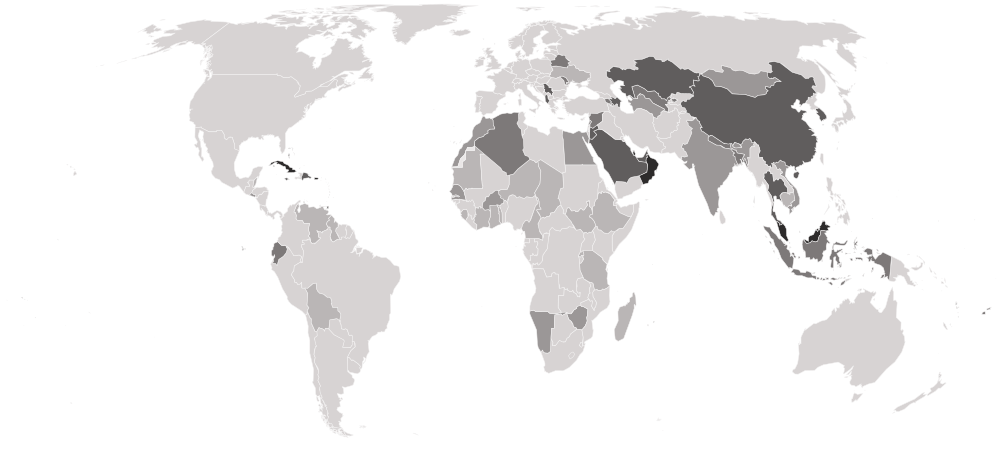
This is the number of primary-school pupils for each teacher who holds the minimum qualification their country requires. It is not the ordinary pupil–teacher ratio, which UNESCO no longer publishes: teachers without that qualification are left out of the count, so the figure rises with crowded classes, with a shortage of qualified teachers, or with both.
This site holds every year from 2013 to 2024, read from UIS’s own data and stored exactly as published.
Pupils per Qualified Teacher, Primary · the file
- Newest
- Pupils per Qualified Teacher, Primary, 2024
- Held
- 12 years · 1,079 rows
- Licence
- CC BY-SA 4.0
0112 years
Every year
Newest first. Each opens the full table for that year, and each downloads as a CSV.
Every year in one file, one row per country per year: pupils-per-qualified-teacher-primary-all-editions-nations-inquiry.csv
023 columns
What’s in the file
Every column, what it holds, how it is stored and what its values look like — what a reader needs before opening the file.
| Column | What it holds | Stored as | Range, 2024 | Distinct | Empty | Spread |
|---|---|---|---|---|---|---|
CountrycountryName | The country’s name, as this file spells it. | Text | — | 92 | 0 | |
ISO Codecountry_codeIdentifier | The ISO 3166-1 alpha-3 code, added by this site. Every table here joins on it. | Text · 3 letters | — | 92 | 0 | |
Primary pupils per qualified teacher (headcount basis)pupils_per_qualified_teacherHeadline | The headline figure: Primary pupils per qualified teacher (headcount basis). | Number · up to 15 decimals | 8.24 Puerto Rico284.70  Boliviamiddle 20.67 | 92 | 0 |
Profiled from the newest file. Range: the lowest and highest value, with the country holding it when only one does. Spread: countries in ten equal steps from lowest to highest. A higher value is the worse result.
03153 countries across every year
Who is covered
How many countries each year holds, continent by continent, who joined and who left, and which places this site covers that the dataset never has.
| 2013 | 2014 | 2015 | 2016 | 2017 | 2018 | 2019 | 2020 | 2021 | 2022 | 2023 | 2024 | |
|---|---|---|---|---|---|---|---|---|---|---|---|---|
| Africa | 24 | 26 | 31 | 26 | 28 | 27 | 27 | 27 | 26 | 29 | 27 | 24 |
| Americas | 14 | 19 | 20 | 21 | 14 | 19 | 16 | 14 | 22 | 18 | 25 | 19 |
| Asia | 14 | 21 | 23 | 29 | 32 | 32 | 32 | 31 | 30 | 32 | 32 | 29 |
| Europe | 7 | 10 | 8 | 9 | 9 | 8 | 9 | 12 | 10 | 9 | 8 | 8 |
| Oceania | 4 | 5 | 7 | 6 | 3 | 4 | 10 | 7 | 10 | 12 | 12 | 12 |
| All | 63 | 81 | 89 | 91 | 86 | 90 | 94 | 91 | 98 | 100 | 104 | 92 |
Who joined and who left
- 2024+ Bolivia
 + Comoros
 + Ghana
 + Madagascar
 + Maldives
 + Mauritania+ Puerto Rico
 + Saudi Arabia
 + Senegal
 + Serbia
 + South Sudan
 + Chad
 + Ukraine
 − Afghanistan
 − Angola
 − Antigua and Barbuda
 − DR Congo
 − Republic of the Congo
 − Djibouti
 − Dominica
 − Spain
 − Gibraltar
 − Iran
 − Kenya
 − Saint Kitts and Nevis
 − Sri Lanka
 − Lesotho
 − Mali
 − Malawi
 − Nicaragua
 − Peru
 − Palestine
 − Singapore
 − Somalia
 − Suriname
 − Tunisia
 − Uruguay
 − United States
- 2023+ Afghanistan+ Angola
 + Albania+ Antigua and Barbuda
 + Bahamas+ DR Congo+ Republic of the Congo+ Gibraltar
 + Guyana
 + Cambodia+ Saint Kitts and Nevis+ Mali
 + Mauritius
 + Nepal+ Peru
 + Sierra Leone
 + El Salvador+ Somalia+ Suriname
 + Venezuela
 + British Virgin Islands
 − Botswana
 − Colombia− Comoros
 − Cabo Verde
 − Eritrea
 − Honduras
 − Liberia− Maldives
 − Mozambique
 − Philippines
 − Russia− Saudi Arabia− Senegal− Serbia
 − Slovakia
 − Eswatini− Chad
- 2022
 + Bahrain+ Botswana
 + Cameroon+ Eritrea
 + Ethiopia
 + Grenada+ Iran+ Liberia+ Maldives+ Mozambique+ Nicaragua
 + Nauru+ Slovakia+ Eswatini
 + Syria+ Chad+ Tunisia
 + Samoa− Angola− Albania
 − Benin− Bahamas− DR Congo
 − Cyprus− Ghana− Gibraltar− Guyana− Saint Kitts and Nevis
 − Mexico− Mauritius− Nepal− Sierra Leone− Suriname− British Virgin Islands
- 2021+ Angola
 + Bangladesh+ Bahamas+ DR Congo+ Colombia+ Comoros+ Dominica+ Guyana+ Honduras+ Saint Kitts and Nevis
 + Saint Lucia+ Mexico
 + Niger
 + Palau
 + Rwanda+ Sierra Leone
 + Tuvalu
 + Saint Vincent and the Grenadines
 + Vietnam
 + Vanuatu
 − Burundi
 − Costa Rica− Ethiopia
 − Guinea− Cambodia
 − Kuwait− Liberia
 − Lithuania− Mozambique− Mauritania
 − Portugal
 − Timor-Leste− Tunisia
- 2020+ Djibouti+ Ethiopia+ Guinea
 + Indonesia
 + Kiribati+ Kuwait+ Liberia
 + Monaco+ Mauritania+ Russia
 + San Marino
 + Turks and Caicos Islands
 + Trinidad and Tobago+ Tunisia− Afghanistan− Bahrain− Bahamas− Colombia− Dominica− Madagascar− Maldives
 − Montserrat− Niger− Nauru− Rwanda
 − Sudan
 − Solomon Islands− Sierra Leone− Chad− Tuvalu− Vanuatu
- 2019
 + Cook Islands+ Colombia+ Dominica
 + Egypt
 + Fiji+ Gibraltar
 + India+ Kenya
 + Lebanon
 + Marshall Islands+ Niger
 + Niue+ Nepal+ Nauru+ Sudan+ Senegal
 + Togo
 + Thailand
 + Turkmenistan+ Vanuatu− Antigua and Barbuda− Bangladesh− DR Congo− Djibouti− Eritrea− Grenada− Indonesia
 − Laos
 − Myanmar
 − Nigeria
 − North Korea− El Salvador− Eswatini− Turks and Caicos Islands− Tunisia− Saint Vincent and the Grenadines
- 2018
 + United Arab Emirates
 + Armenia+ Bahamas
 + Belize+ DR Congo
 + Cayman Islands
 + Jamaica+ Lesotho+ Maldives+ Montserrat+ Nigeria+ North Korea+ Sierra Leone+ Turks and Caicos Islands+ Timor-Leste
 + Tonga+ Tuvalu+ Saint Vincent and the Grenadines− Cameroon− Colombia− Ethiopia− Gibraltar− India− Iran− Kiribati− Liberia− Niger− Nepal
 − Panama− Thailand
 − Tajikistan
 − Zambia
- 2017+ Antigua and Barbuda+ Bangladesh+ Cameroon+ Cyprus+ Eritrea+ Ethiopia+ Ghana
 + Oman+ Palestine+ Rwanda+ Tunisia− Bahamas− Belize
 − Central African Republic
 − Chile− Cook Islands− Dominica− Egypt− Guinea− Jamaica− Saint Kitts and Nevis− Lesotho− Niue− Nauru− Puerto Rico− Saint Vincent and the Grenadines
 − Yemen
Not in this dataset · 72 places this site covers
UIS gives no figure for these in any year held here. It is the publisher’s choice of scope, and each place’s profile shows what is measured.
 American Samoa
 Anguilla
 Argentina
 Aruba
 Australia
 Austria
 Belgium
 Bosnia and Herzegovina
 Brazil
 Bulgaria
 CanadaChannel Islands
 Croatia
 Curaçao
 Czechia
 Denmark
 Estonia
 Faroe Islands
 Finland
 France
 French Polynesia
 Gabon
 Georgia
 Germany
 Greece
 Greenland
 Guam
 Guatemala
 Guinea-Bissau
 Haiti
 Hungary
 Iceland
 Iraq
 Ireland
 Isle of Man
 Israel
 Italy
 Japan
 Kosovo
 Kyrgyzstan
 Latvia
 Libya
 Liechtenstein
 Luxembourg
 Malta
 Montenegro
 Netherlands
 New Caledonia
 New Zealand
 North MacedoniaNorthern Cyprus
 Northern Mariana Islands
 Norway
 Pakistan
 Papua New Guinea
 Paraguay
 Poland
 Romania
 Saint Martin
 São Tomé and Príncipe
 Sint Maarten
 SloveniaSomaliland
 South Africa
 Sweden
 Switzerland
 Taiwan
 Türkiye
 Uganda
 United Kingdom
 United States Virgin Islands
 Vatican City
04Provenance
Where it comes from
The path from the publisher to this page, and what was checked and changed on the way.
1 · Publisher
UNESCO Institute for Statistics (UIS)
2 · Their file
Pupils per Qualified Teacher, Primary 2024
3 · Read by this site
September 29, 2026
Imported by a script that parses each figure and writes it down unrounded.4 · Stored as
12 files, one per year
Each downloads as a CSV, or every year together as pupils-per-qualified-teacher-primary-all-editions-nations-inquiry.csv5 · Used on
Its statistic page, and every profile it measures
Precision
The headline is stored to 15 decimals, as published.
Rounded by this site
Never. Tables on screen may show fewer decimals; the files never do.
Changed by this site
Reshaped into one row per country: regional and income-group totals are left out, only the columns listed are kept, each row gets its ISO 3166 code, and some country names are brought to one spelling. No value is recalculated, rescaled or rounded.
From the UNESCO Institute for Statistics (PTRHC.1.QUALIFIED). The World Bank’s older pupil–teacher ratio series stopped in 2018, when UNESCO stopped publishing the plain ratio. Editions reporting fewer than 50 countries are not written.
05Reuse
Licence and credit
What the publisher’s licence lets you do, what it asks of you, and a credit line and citation ready to copy.
Licence · checked September 29, 2026
- Share and redistribute it
- Adapt it and build on it
- Use it commercially
- Credit the publisher
- Say what you changed
- Publish anything adapted from it under the same licence
Share, adapt and use commercially with credit — and anything you publish that adapts it must carry the same licence.
A credit line
Source: UNESCO Institute for Statistics (UIS), Pupils per Qualified Teacher, Primary, via Nations Inquiry.
Cite this dataset
UNESCO Institute for Statistics (UIS). Pupils per Qualified Teacher, Primary, 2013–2024 [data set]. As held by Nations Inquiry, https://nationsinquiry.com/datasets/pupils-per-qualified-teacher-primary
The publisher’s own citation: UNESCO Institute for Statistics. UIS Data Browser. Montreal: UNESCO Institute for Statistics.
Plain-language summary, not legal advice. The licence text is what binds.
06Where it is used
Around the site
Where these numbers appear on this site, and the datasets nearest to it.
Charted
Pupils per Qualified Teacher, Primary by countryWho is highest, the map, the spread, who rose and fell, and the records.
Subjects
Near neighbours
- Government Spending on EducationUIS · 51 held · 1971–2023
- Upper Secondary Completion RateUIS · 45 held · 1981–2025
- Out-of-School Rate, PrimaryUIS · 32 held · 1981–2024
07Questions
Pupils per Qualified Teacher, Primary: questions and answers
What is the Pupils per Qualified Teacher, Primary?
This is the number of primary-school pupils for each teacher who holds the minimum qualification their country requires. It is not the ordinary pupil–teacher ratio, which UNESCO no longer publishes: teachers without that qualification are left out of the count, so the figure rises with crowded classes, with a shortage of qualified teachers, or with both.
Which years of the Pupils per Qualified Teacher, Primary can I download?
All 12, from 2013 to 2024, each as a CSV file, or every year together in one CSV.
Does UIS rank countries on it?
No. UIS publishes values only. The positions shown on this site are derived by ordering the published values, and are labelled as ours.
Can I use it commercially?
Yes, under CC BY-SA 4.0, with credit to UIS. The licence text is linked on this page.