UIS · Gender Parity Index, Tertiary Enrolment
Gender parity in university enrolment by country
Are women and men enrolled in higher education in equal numbers?
Of the 95 countries compared in 2024, Egypt had the reading closest to parity, 0.99486, and Gambia had the reading furthest from parity, 1.82964. In the middle country the figure was 1.24352.
Share
Gender parity in university enrolment · 2024
Context statistic
Closest to parity of 95Egypt
0.99486012024 · position · derived
Who leads
The three countries at the closest to parity end of 95 compared, the three at the other end, and the first on each continent.
 1
Photo: Rudolph.A.furtado · CC0, greyscale
 2
Photo: Mardetanha · CC BY-SA 3.0, greyscale
 3
Photo: Matl derivative work: Jjtkk · CC BY-SA 3.0, greyscale
Furthest from parity in 2024
- 95
 Gambia1.82964
- 94
 Cook Islands1.76818
- 93
 Qatar1.63836
Positions out of 95. Where a country sits says how it compares with the others measured, and nothing about why.
Closest to parity on each continent
- AfricaEgypt0.99486
- Americas
 Chile1.15266
- Asia
 Saudi Arabia1.00603
- Europe
 San Marino1.00605
- Oceania
 Fiji1.22297
- Every region
02Every measured country
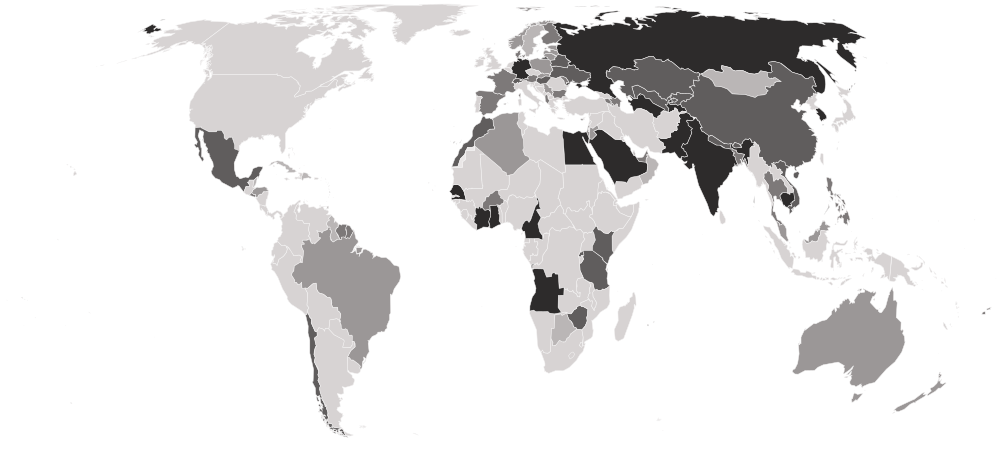
Gender parity in university enrolment on a map
Each country is shaded by its value, in five groups holding the same number of countries. Hover a country for its value, or select it to open its profile. Below the map, each continent’s middle country.
Darker is closer to parity (1.000), from either side.
- 0.82964–0.38914 from parity
- 0.38266–0.30043 from parity
- 0.29461–0.21853 from parity
- 0.21788–0.10949 from parity
- 0.10924–0.00514 from parity
- No reading in 2024 (108 measured in an earlier edition)
- Africa
1.02359
the middle country, of 17 measured · 55 members
Egypt0.99486Gambia1.82964Closest to parity and furthest from parity reading in Africa.
- Asia
1.18728
the middle country, of 30 measured · 52 members
Saudi Arabia1.00603Qatar1.63836Closest to parity and furthest from parity reading in Asia.
- Europe
1.24502
the middle country, of 26 measured · 49 members
San Marino1.00605 Monaco1.43008
Closest to parity and furthest from parity reading in Europe.
- Oceania
1.35468
the middle country, of 8 measured · 21 members
Fiji1.22297Cook Islands1.76818Closest to parity and furthest from parity reading in Oceania.
- Americas
1.38144
the middle country, of 14 measured · 48 members
Chile1.15266 Guyana1.57474
Closest to parity and furthest from parity reading in Americas.
- Every region
21 sub-regions, closest to parity middle country first
- Eastern Africa
1.01806
the middle country, of 6 measured · 19 members
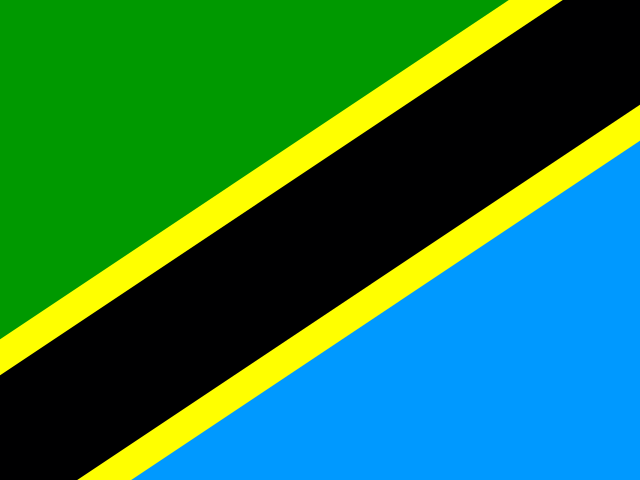 Tanzania0.82254
 Seychelles1.51060
Closest to parity and furthest from parity reading in Eastern Africa.
- Western Africa
1.02359
the middle country, of 5 measured · 16 members
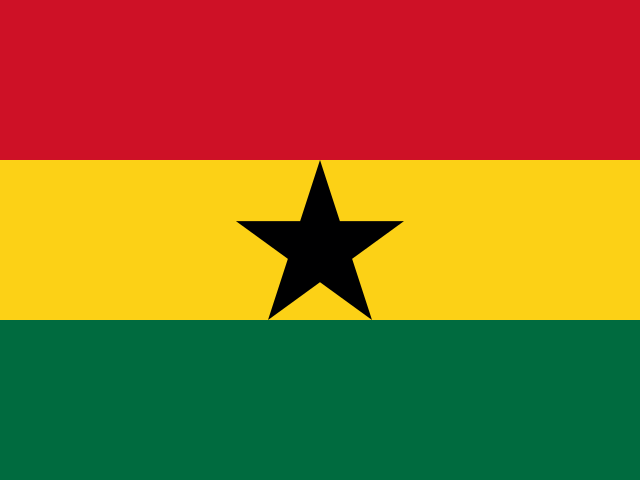 Ghana1.02359Gambia1.82964
Closest to parity and furthest from parity reading in Western Africa.
- Southern Asia
1.05366
the middle country, of 5 measured · 9 members
 Pakistan1.02749
 Bangladesh0.77146
Closest to parity and furthest from parity reading in Southern Asia.
- Eastern Asia
1.10615
the middle country, of 5 measured · 8 members
 Hong Kong1.09234
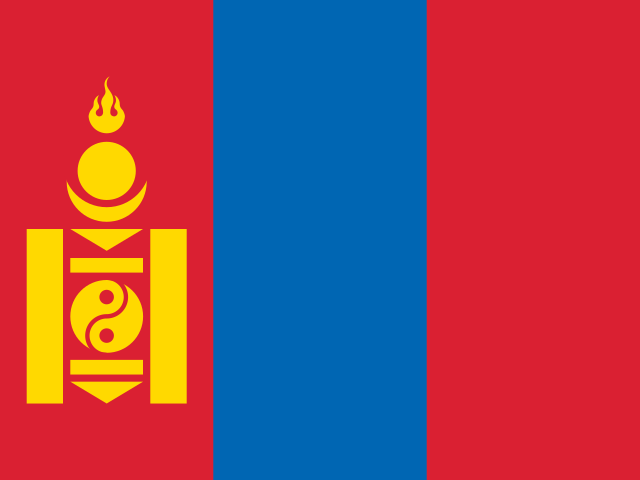 Mongolia1.41294
Closest to parity and furthest from parity reading in Eastern Asia.
- Central Asia
1.11256
the middle country, of 5 measured · 5 members
 Tajikistan0.94528
 Kyrgyzstan1.20927
Closest to parity and furthest from parity reading in Central Asia.
- Western Europe
1.19639
the middle country, of 6 measured · 9 members
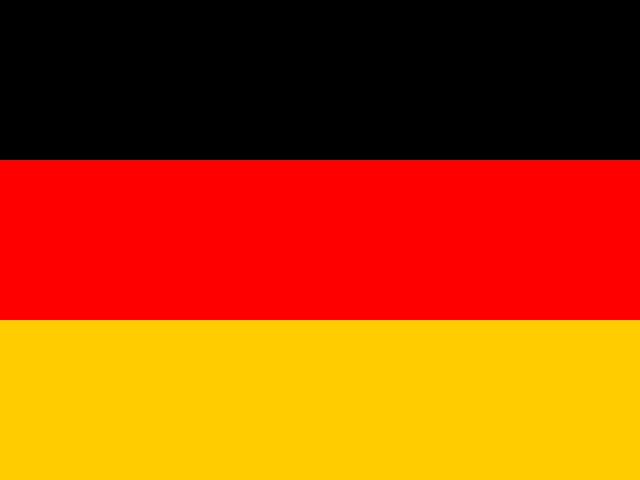 Germany1.09973Monaco1.43008
Closest to parity and furthest from parity reading in Western Europe.
- South-eastern Asia
1.21910
the middle country, of 5 measured · 11 members
 Cambodia1.10924
 Malaysia1.30504
Closest to parity and furthest from parity reading in South-eastern Asia.
- Eastern Europe
1.22650
the middle country, of 8 measured · 10 members
 Russia1.07060
 Poland1.36511
Closest to parity and furthest from parity reading in Eastern Europe.
- Southern Europe
1.23164
the middle country, of 5 measured · 17 members
San Marino1.00605 Serbia1.30245
Closest to parity and furthest from parity reading in Southern Europe.
- Western Asia
1.31211
the middle country, of 10 measured · 19 members
Saudi Arabia1.00603Qatar1.63836Closest to parity and furthest from parity reading in Western Asia.
- Northern Europe
1.32453
the middle country, of 7 measured · 13 members
 Finland1.24652
 Sweden1.40060
Closest to parity and furthest from parity reading in Northern Europe.
- Caribbean
1.49244
the middle country, of 6 measured · 24 members
 British Virgin Islands1.37126
 Aruba1.56791
Closest to parity and furthest from parity reading in Caribbean.
- Australia and New Zealand
2 of 2 measured — too few for a middle: Australia, New Zealand.
 Australia1.31058
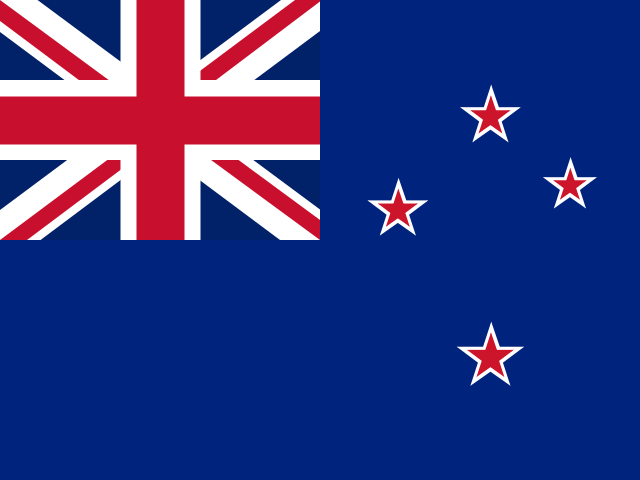 New Zealand1.38266
Closest to parity and furthest from parity reading in Australia and New Zealand.
- Central America
4 of 8 measured — too few for a middle: Belize, El Salvador, Honduras, Mexico.
 Mexico1.16029
 Belize1.44858
Closest to parity and furthest from parity reading in Central America.
- Melanesia
1 of 5 measured — too few for a middle: Fiji.
Fiji1.22297Closest to parity and furthest from parity reading in Melanesia.
- Micronesia
3 of 7 measured — too few for a middle: Kiribati, Marshall Islands, Palau.
 Marshall Islands1.26755
 Kiribati1.55934
Closest to parity and furthest from parity reading in Micronesia.
- Middle Africa
2 of 9 measured — too few for a middle: Angola, Cameroon.
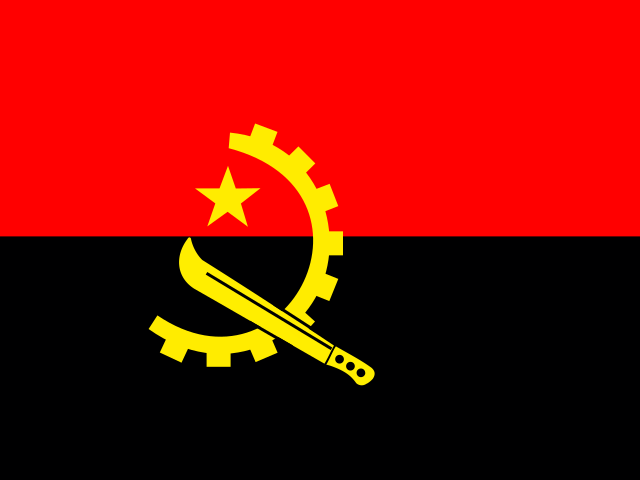 Angola0.98869
 Cameroon0.96485
Closest to parity and furthest from parity reading in Middle Africa.
- Northern Africa
3 of 6 measured — too few for a middle: Algeria, Egypt, Morocco.
Egypt0.99486 Algeria1.34599
Closest to parity and furthest from parity reading in Northern Africa.
- Polynesia
2 of 7 measured — too few for a middle: Cook Islands, Samoa.
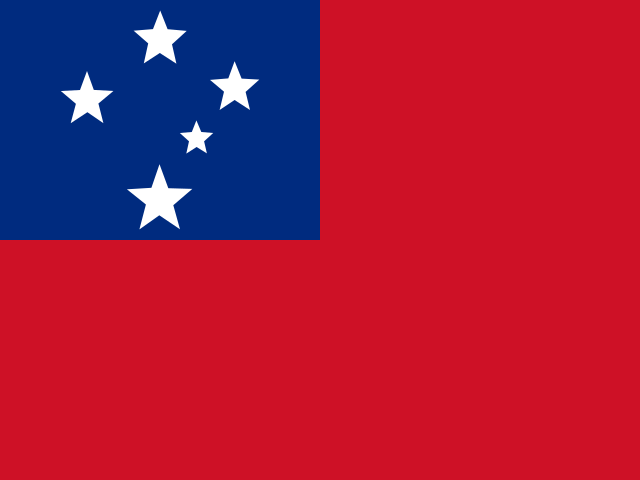 Samoa1.56737Cook Islands1.76818
Closest to parity and furthest from parity reading in Polynesia.
- South America
4 of 12 measured — too few for a middle: Brazil, Chile, Guyana, Suriname.
Chile1.15266Guyana1.57474Closest to parity and furthest from parity reading in South America.
- Southern Africa
1 of 5 measured — too few for a middle: Botswana.
 Botswana1.38914
Closest to parity and furthest from parity reading in Southern Africa.
03The whole field at once
The spread
95 countries, one dot each, on one scale — further right is a higher value. Half the countries are above 1.24352; a quarter are above 1.34298, and a quarter below 1.10864. The bar in each row marks that continent’s middle country.
04All 203 ever measured
Every country
In order, closest to parity first. “=” marks a position shared with another country. UNESCO Institute for Statistics (UIS) ranks nobody on this measure; the position is derived here by ordering the published values. Positions are ordered by distance from parity, not by the raw index, so a country as far above 1 as another is below it shares its position. Ordering by the raw number would crown the country where men are most under-represented as the most equal. The index says nothing about how many people study at all — that is the tertiary enrolment ratio.
Showing 25 of 203 countries

















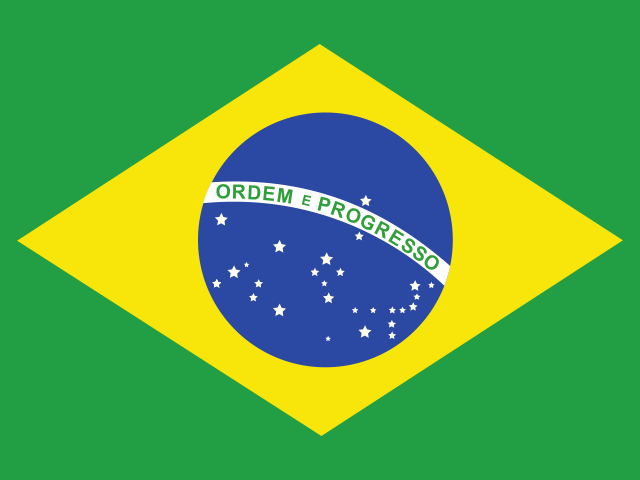

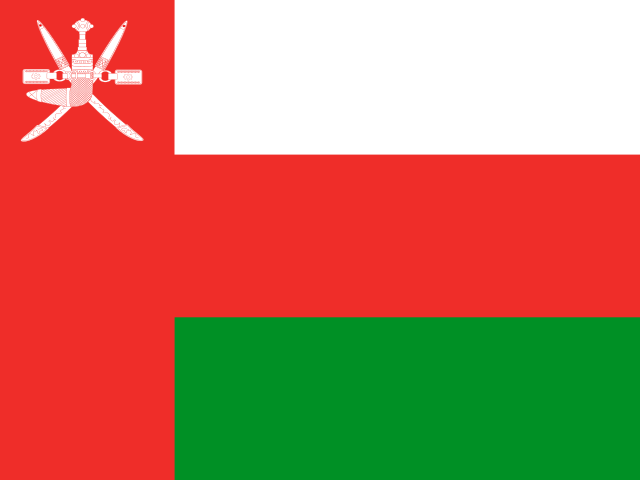
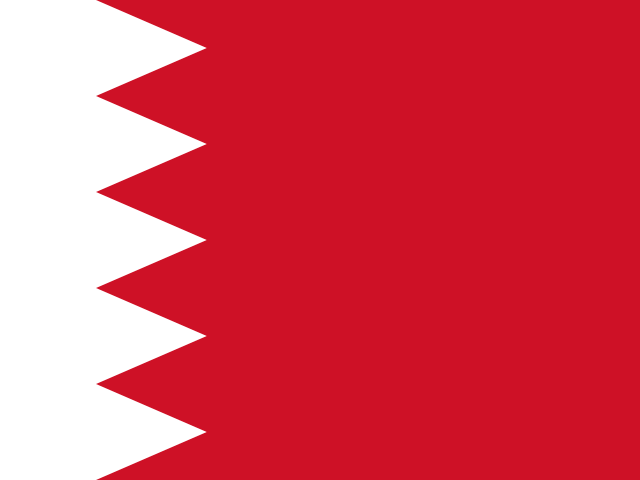

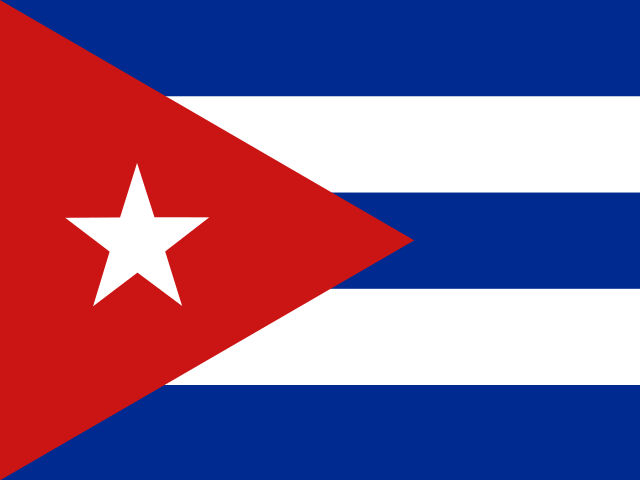






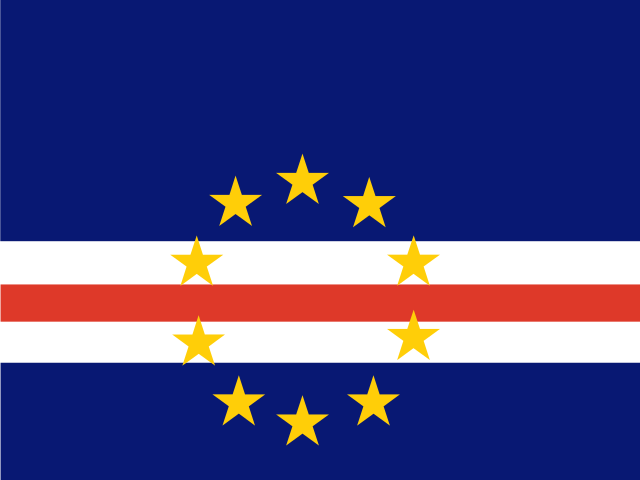
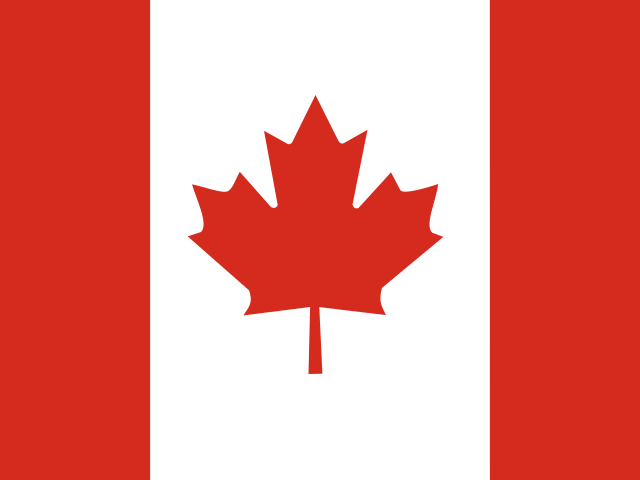


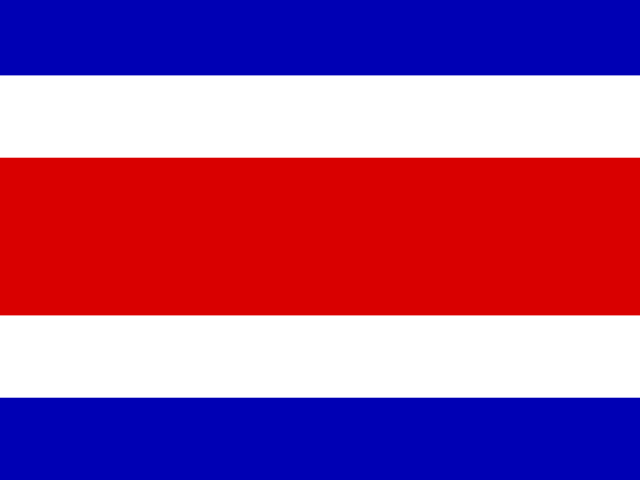


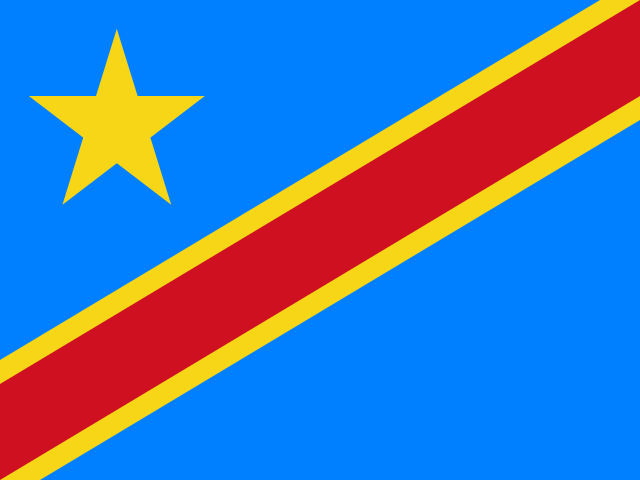

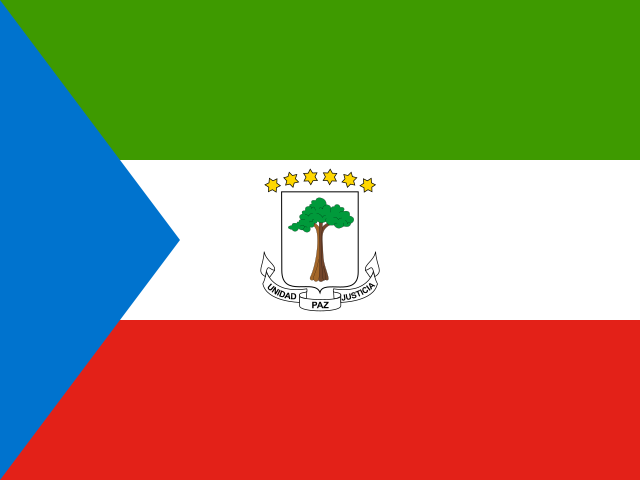

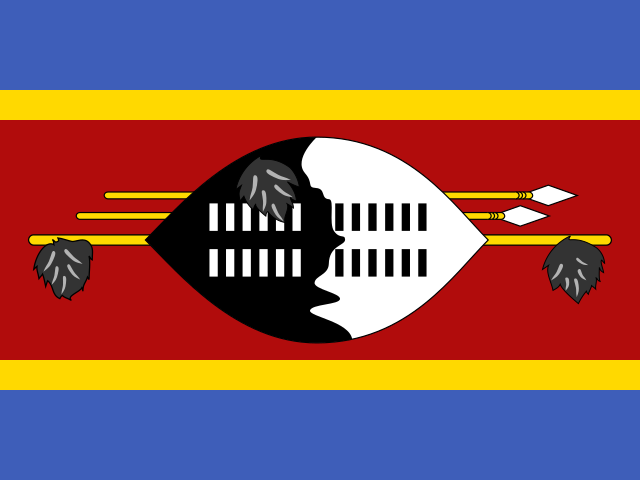


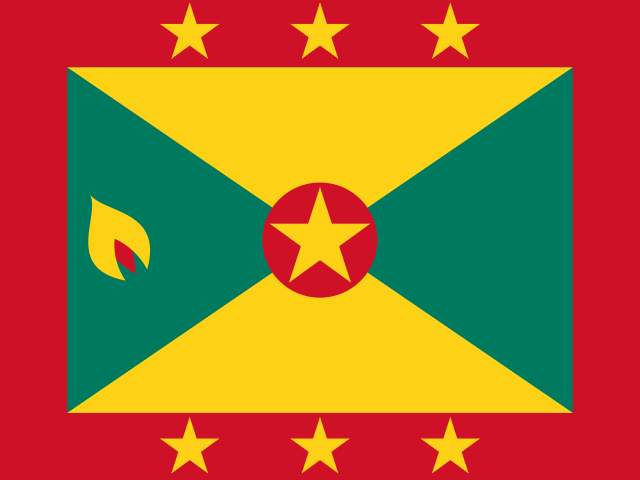

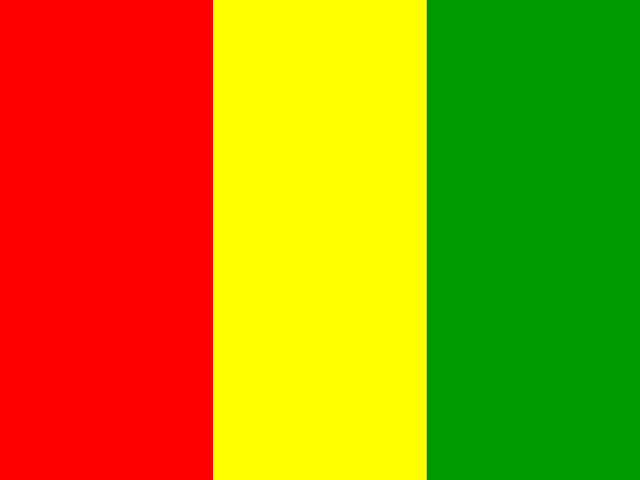

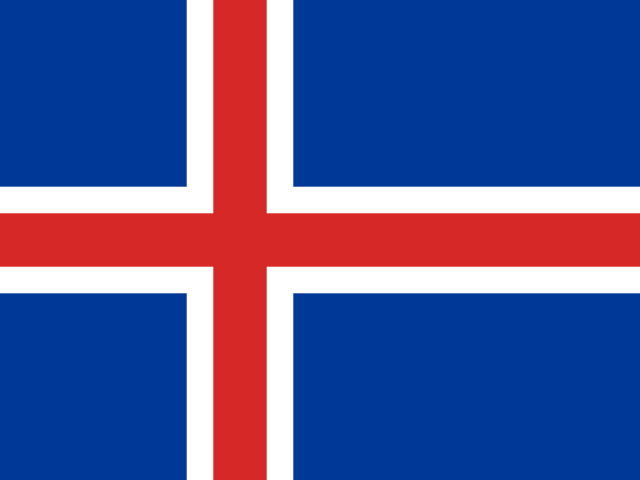


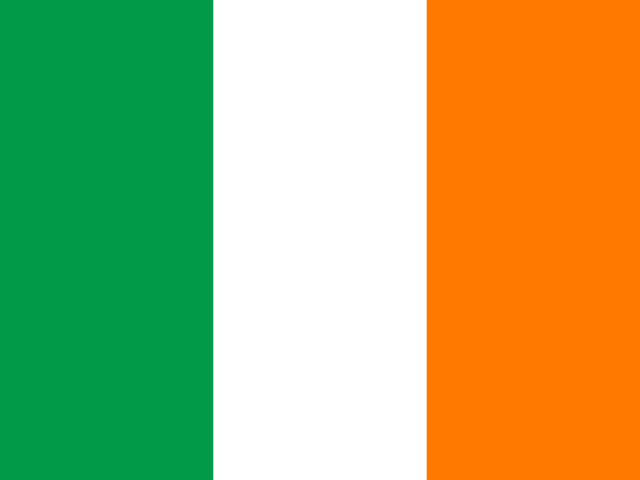


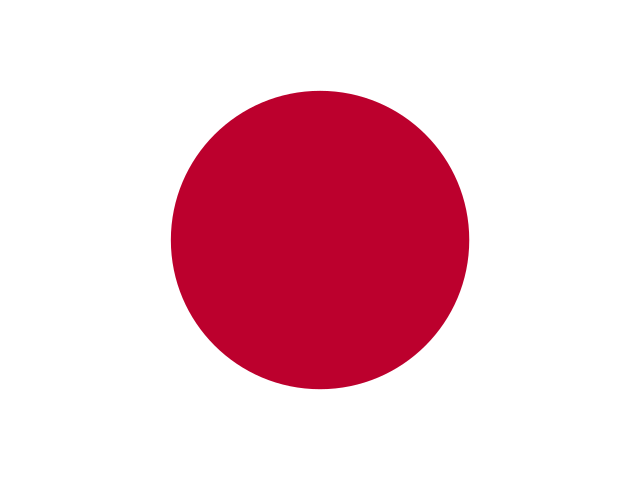


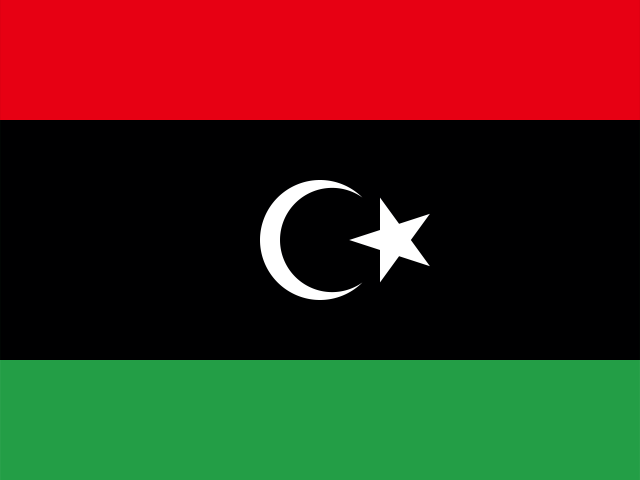
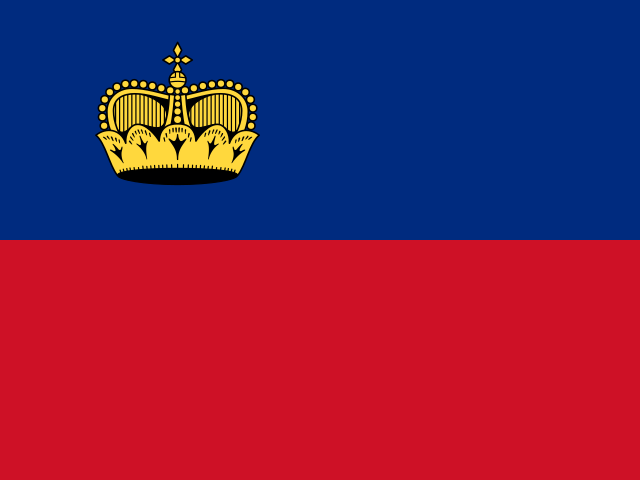


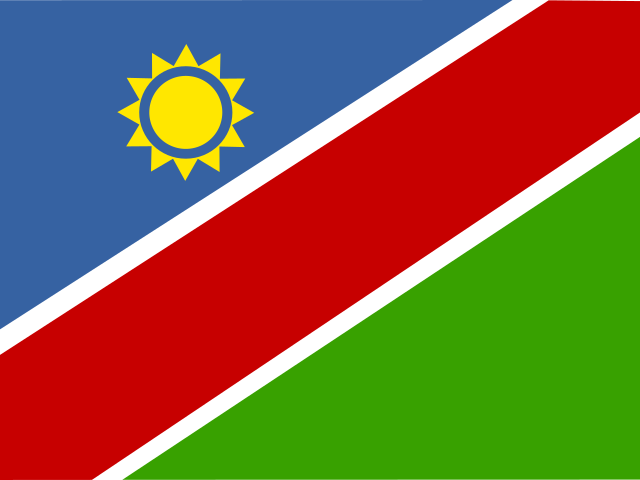
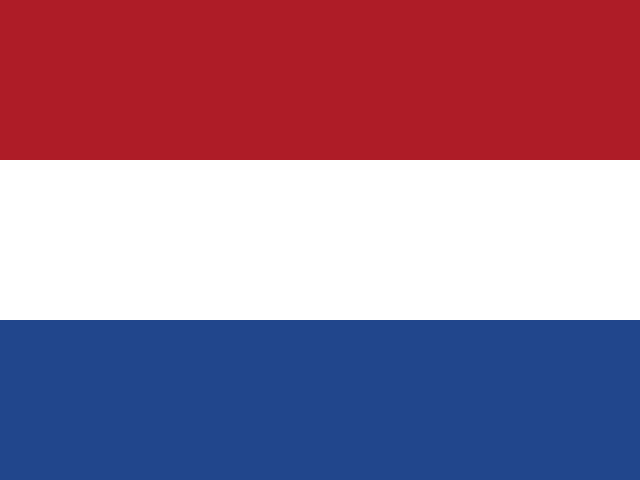

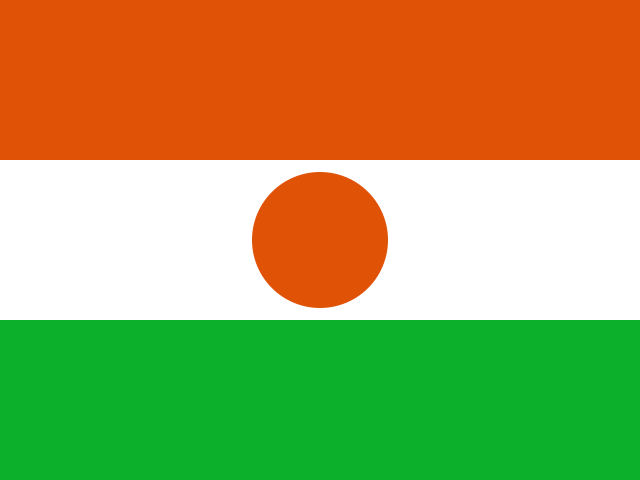

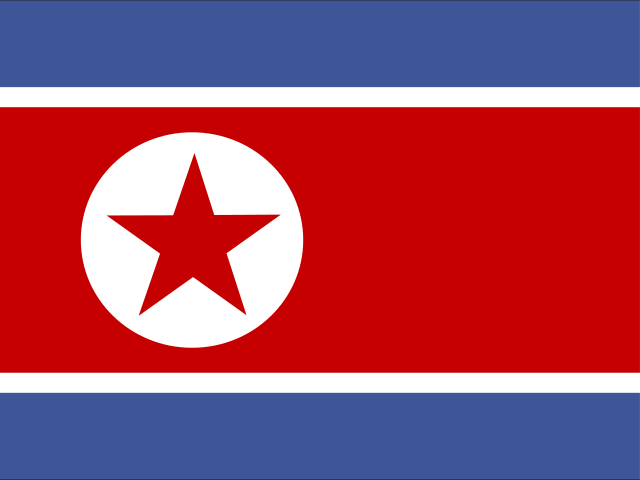

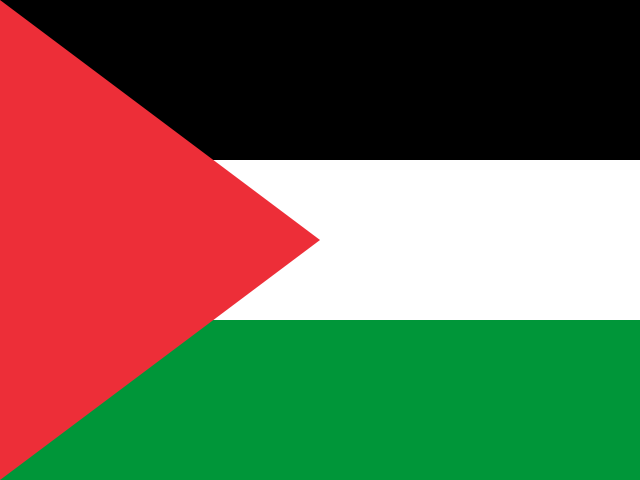
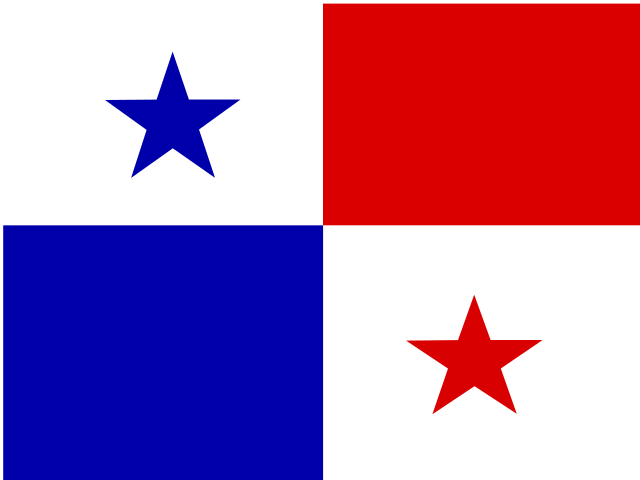
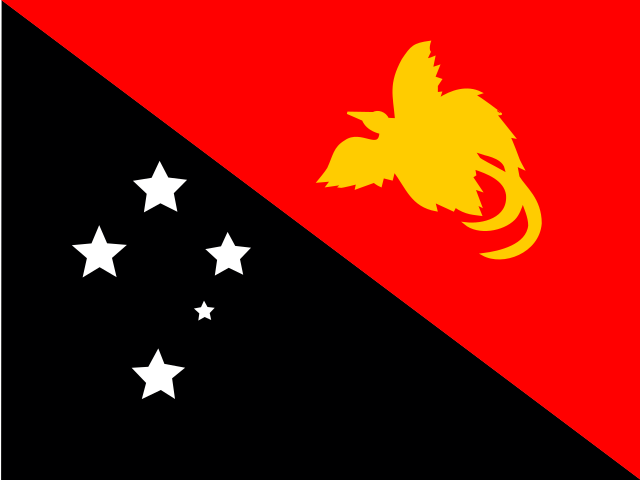














Values for 2024. The change column compares 2024 with 2023 only; the sparkline covers the recent editions.
051971–2024 · 44 editions
Over time
Each point is one edition. Watch which side of 1 the line sits on: in most countries today it sits above, with more women than men enrolled.
- the middle country
- the middle half of countries
- each continent’s middle country
The same, year by year
| Year | Countries | Middle country | Middle half |
|---|---|---|---|
| 2024 | 95 | 1.24352 | 1.10864 – 1.34298 |
| 2023 | 128 | 1.25830 | 1.09020 – 1.35047 |
| 2022 | 125 | 1.25391 | 1.09369 – 1.35879 |
| 2021 | 124 | 1.23109 | 1.10223 – 1.35347 |
| 2020 | 131 | 1.20680 | 1.08194 – 1.33474 |
| 2019 | 129 | 1.20406 | 1.10484 – 1.32531 |
| 2018 | 133 | 1.19663 | 1.05143 – 1.31537 |
| 2017 | 135 | 1.20256 | 1.04436 – 1.30829 |
| 2016 | 134 | 1.20316 | 1.02681 – 1.29965 |
| 2015 | 146 | 1.19305 | 0.98265 – 1.29948 |
| 2014 | 136 | 1.19882 | 0.96267 – 1.30422 |
| 2013 | 129 | 1.20123 | 0.96006 – 1.30491 |
| 2012 | 141 | 1.19927 | 0.86972 – 1.30220 |
| 2011 | 134 | 1.14953 | 0.75106 – 1.29487 |
| 2010 | 133 | 1.15806 | 0.77614 – 1.29771 |
| 2009 | 125 | 1.17354 | 0.74015 – 1.29793 |
| 2008 | 121 | 1.20017 | 0.91250 – 1.30610 |
| 2007 | 111 | 1.19049 | 0.90769 – 1.30250 |
| 2006 | 117 | 1.15592 | 0.85291 – 1.28366 |
| 2005 | 116 | 1.13231 | 0.74216 – 1.27144 |
| 2004 | 119 | 1.11353 | 0.75752 – 1.26751 |
| 2003 | 118 | 1.14553 | 0.77588 – 1.27983 |
| 2002 | 120 | 1.13071 | 0.77098 – 1.26615 |
| 2001 | 104 | 1.12963 | 0.75706 – 1.26795 |
| 2000 | 81 | 0.92807 | 0.54325 – 1.23823 |
| 1999 | 75 | 0.89644 | 0.50522 – 1.22440 |
| 1992 | 51 | 0.72324 | 0.32194 – 1.17435 |
| 1987 | 51 | 0.61911 | 0.29047 – 1.11347 |
| 1986 | 54 | 0.57190 | 0.35011 – 1.05369 |
| 1985 | 55 | 0.60877 | 0.32345 – 0.95778 |
| 1984 | 53 | 0.51836 | 0.35555 – 0.95981 |
| 1983 | 53 | 0.48496 | 0.27502 – 0.94624 |
| 1982 | 53 | 0.45556 | 0.26763 – 0.87069 |
| 1981 | 52 | 0.47029 | 0.29830 – 0.97928 |
| 1980 | 54 | 0.44422 | 0.28236 – 0.86597 |
| 1979 | 58 | 0.42443 | 0.28683 – 0.85506 |
| 1978 | 50 | 0.37632 | 0.23716 – 0.57636 |
| 1977 | 55 | 0.41441 | 0.25172 – 0.63362 |
| 1976 | 52 | 0.33032 | 0.20454 – 0.51177 |
| 1975 | 54 | 0.32124 | 0.16444 – 0.53256 |
| 1974 | 53 | 0.29586 | 0.18942 – 0.56478 |
| 1973 | 54 | 0.31701 | 0.18266 – 0.62113 |
| 1972 | 57 | 0.28078 | 0.15721 – 0.49373 |
| 1971 | 57 | 0.26341 | 0.17124 – 0.56207 |
062023 → 2024
Who rose and fell
The biggest changes in value between the two newest editions. Places are shown second, because they also move when other countries do.
Moved closest to parity
before → after- Cook Islands1.92358 → 1.76818 · 128th → 94th−0.15539
- Cameroon0.82861 → 0.96485 · 38th → 7th+0.13624
 Suriname1.36818 → 1.26812 · 99th → 54th−0.10005
- San Marino0.89585 → 1.00605 · 23rd → 3rd+0.11020
- Qatar1.73056 → 1.63836 · 126th → 93rd−0.09220
Moved furthest from parity
before → after Ukraine0.98755 → 0.85395 · 2nd → 25th−0.13360
 Bhutan1.01889 → 1.10949 · 4th → 20th+0.09060
 Uzbekistan1.02966 → 1.11256 · 9th → 21st+0.08290
 Senegal1.04648 → 1.10803 · 12th → 17th+0.06154
 Turkmenistan1.01287 → 1.07170 · 3rd → 11th+0.05883
84 countries were measured in both 2023 and 2024. The field changed from 128 to 95 countries, so a place can move for reasons that have nothing to do with the country itself.
07Across every edition
Gender parity in university enrolment in records
The extremes of the statistic. A record reached by more than one country names none of them.
Highest reading on record
2.00000
Adjusted gender parity index, tertiary gross enrolment (1 = parity)
Lowest reading on record
Reached 2 times by 2 countries — shared, so no holder is named
0.00000
Adjusted gender parity index, tertiary gross enrolment (1 = parity)
Biggest improvement between editions
−0.65561
1.64411 → 0.98850
Biggest decline between editions
−0.61616
0.96525 → 0.34909
Most improved since first measured
+0.91305
0.09298 → 1.00603
At the top most often
4 of 44
editions, alone at the first-listed end
08The measure
About gender parity in university enrolment
The gender parity index for tertiary enrolment compares women’s and men’s enrolment in universities and colleges. 1 means parity; below 1, fewer women than men are enrolled; above 1, fewer men than women. UNESCO adjusts it so that a gap in either direction counts the same.
What the number is: Adjusted gender parity index, tertiary gross enrolment (1 = parity).
09Where it fits
Connections
Its part in the Country Index, the statistics whose values line up most closely with it across countries, and others on the same subject.
In the Country Index
Context, with no vote
This statistic is published in full under Education & Knowledge and Gender & Equality, but does not help decide any Country Index standing.
Education & KnowledgeGender & EqualityWhich statistics vote, and why
Moves with
Where gender parity in university enrolment is higher, these tend to be higher too.
- Political Stability and Absence of ViolenceKeyWorld Bank Group · 94 countries in commonρ 0.46
- Freedom of Peaceful AssemblyV-Dem Institute, University of Gothenburg · 81 countries in commonρ 0.45
- Civic Space RatingsKeyCIVICUS · 91 countries in commonρ 0.44
Moves against
Where gender parity in university enrolment is higher, these tend to be lower.
- Total PopulationUN DESA Population Division · 95 countries in commonρ −0.55
- Refugees by Country of OriginUNHCR, the UN Refugee Agency · 92 countries in commonρ −0.49
- Methane EmissionsEDGAR · 91 countries in commonρ −0.47
Rank correlation (ρ, from −1 to 1) across countries, on each statistic’s newest edition, out of 216 statistics sharing at least 80 countries with this one. Two statistics that move together do not cause each other.
10Keep reading
Explore further
The subject
The countries at either end
11Questions
Gender parity in university enrolment: questions and answers
Which country is closest to parity on the gender parity in university enrolment?
Egypt, at 0.99486, among the 95 countries compared in 2024.
How many countries does the Gender Parity Index, Tertiary Enrolment cover?
95 in 2024, and 203 at least once across all editions. The number measured varies from 50 to 146 between editions.
What is the world average gender parity in university enrolment?
This site does not calculate a world average, which would depend on how countries are weighted. In the middle country of the 95 compared in 2024, the figure was 1.24352.
Is this UNESCO Institute for Statistics (UIS)’s own ranking?
No. UNESCO Institute for Statistics (UIS) publishes the values but ranks nobody; the position on this page is derived by Nations Inquiry by ordering the published values, and equal values share a position.
How often is the Gender Parity Index, Tertiary Enrolment published?
This site holds 44 editions, describing 1971 to 2024.
Where does the data come from, and can I download it?
From UNESCO Institute for Statistics (UIS), under CC BY-SA 4.0. From the UNESCO Institute for Statistics (GER.5T8.GPIA, the adjusted index). Editions reporting fewer than 50 countries are not written. Every edition is on this site’s Datasets pages as a full table, and downloads as a CSV file with every value unrounded.
12Method
Sources, method and citation
Source
Gender Parity Index, Tertiary Enrolment — UNESCO Institute for Statistics (UIS)
From the UNESCO Institute for Statistics (GER.5T8.GPIA, the adjusted index). Editions reporting fewer than 50 countries are not written.
Newest edition
Report year 2024Data year 2024
Cite the source as: UNESCO Institute for Statistics. UIS Data Browser. Montreal: UNESCO Institute for Statistics.
Licence: CC BY-SA 4.0, checked 2026-09-29.
How this page reads the numbers
- UNESCO Institute for Statistics (UIS) ranks nobody on this measure. The position is derived by Nations Inquiry by ordering the published values; equal values share a position.
- Which end is better follows the publisher’s own reading of the measure.
- A country is named at an end only when it holds that value alone. Where several share it, the page says how many and names none first.
- Values are stored exactly as published and trimmed only for display. “The middle country” is the median of the countries measured, not a world average.
The file itself, column by column — where it came from, what each column holds, and every edition as a CSV — is on its dataset page.
Photographs
The countries at the top of this statistic, from their profiles: Wikimedia Commons, shown in greyscale, each used under the licence named.
- Egypt — Rudolph.A.furtado, CC0
- Saudi Arabia — Mardetanha, CC BY-SA 3.0
- San Marino — Matl derivative work: Jjtkk, CC BY-SA 3.0
Cite this page
Nations Inquiry (2026). Gender parity in university enrolment by country: Gender Parity Index, Tertiary Enrolment, data from UNESCO Institute for Statistics (UIS). https://nationsinquiry.com/statistics/tertiary-gender-parity