V-Dem Institute, University of Gothenburg · Freedom of Foreign Movement
Freedom of foreign travel by country
Can citizens leave the country, emigrate and return freely?
Germany placed first of the 176 countries compared in 2025, at 2.727, and North Korea last, at -3.642. In the middle country the figure was 1.201. Among the 168 countries measured in every edition since 1990, the middle one moved from 0.880 to 1.158.
Share
Freedom of foreign travel · 2025
Context statistic
Highest of 176Germany
2.727012025 · position · derived
Who leads
The three countries at the highest end of 176 compared, the three at the other end, and the first on each continent.
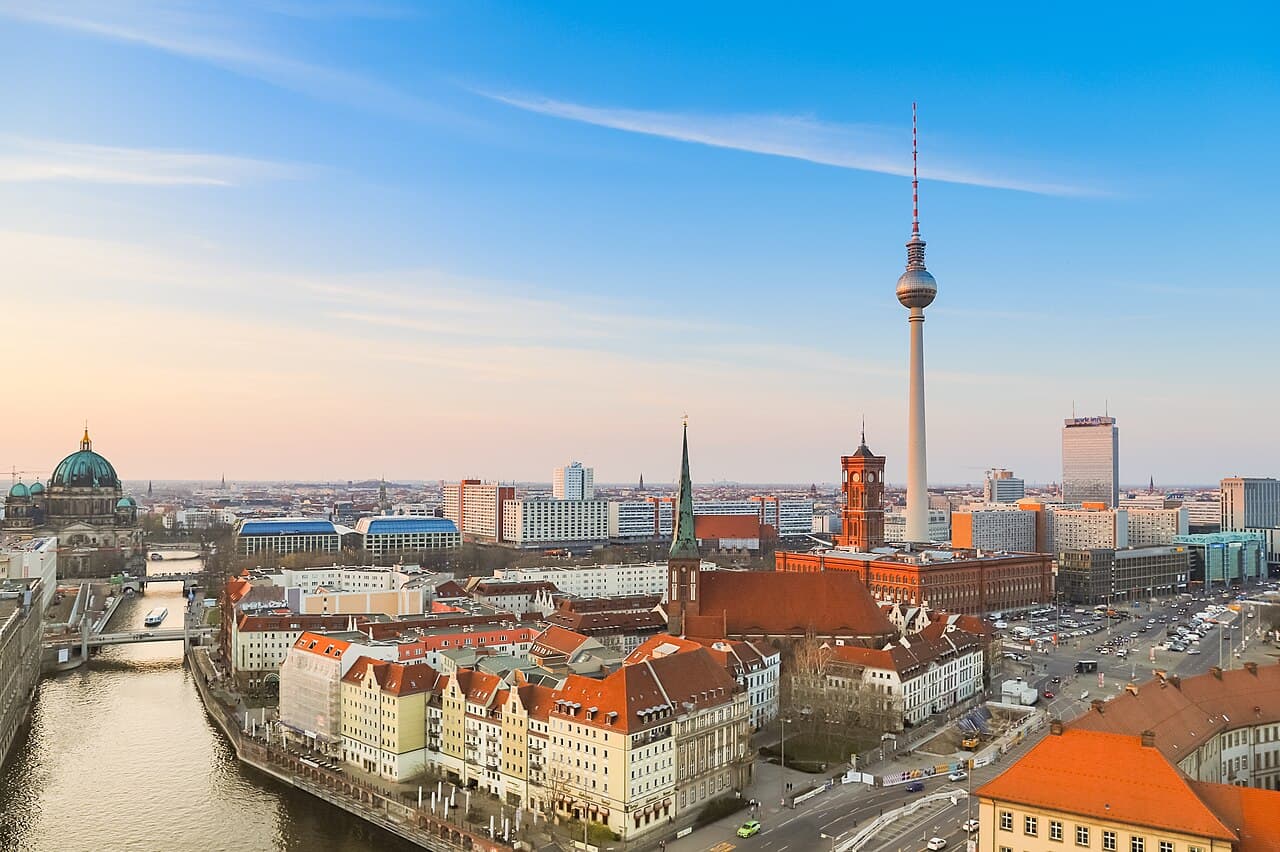 1
 2
Photo: john mcsporran from Trossachs, Scotland · CC BY 2.0, greyscale
 3
Photo: Ximonic , Simo Räsänen derivative work: Jjtkk · CC BY-SA 3.0, greyscale
Lowest in 2025
- 176
 North Korea-3.642
- 175
 Nicaragua-3.172
- 174
 Eritrea-2.825
Positions out of 176. Where a country sits says how it compares with the others measured, and nothing about why.
Highest on each continent
- Africa
 Cabo Verde2.471
- Americas
 Barbados2.369
- Asia
 Japan1.951
- EuropeGermany2.727
- Oceania
 New Zealand2.182
- Every region
02Every measured country
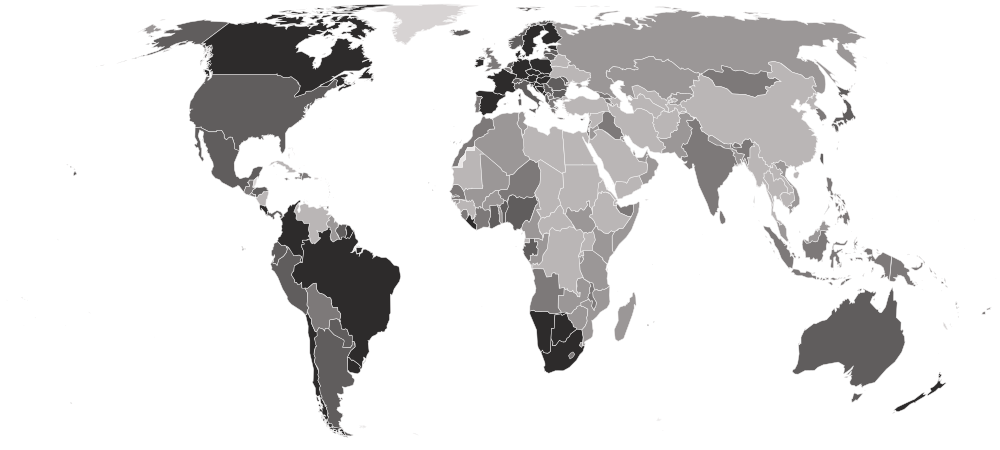
Freedom of foreign travel on a map
Each country is shaded by its value, in five groups holding the same number of countries. Hover a country for its value, or select it to open its profile. Below the map, each continent’s middle country.
Darker is a higher value — the better end.
- -3.642–-0.253
- -0.189–0.835
- 0.883–1.518
- 1.582–2.147
- 2.154–2.727
- No reading in 2025
- Europe
2.146
the middle country, of 40 measured · 49 members
Germany2.727 Belarus-1.740
Highest and lowest reading in Europe.
- Oceania
1.859
the middle country, of 6 measured · 21 members
New Zealand2.182 Fiji1.330
Highest and lowest reading in Oceania.
- Americas
1.830
the middle country, of 27 measured · 48 members
Barbados2.369Nicaragua-3.172Highest and lowest reading in Americas.
- Africa
0.603
the middle country, of 55 measured · 55 members
Cabo Verde2.471Eritrea-2.825Highest and lowest reading in Africa.
- Asia
0.564
the middle country, of 48 measured · 52 members
Japan1.951North Korea-3.642Highest and lowest reading in Asia.
- Every region
20 sub-regions, highest middle country first
- Northern Europe
2.206
the middle country, of 10 measured · 13 members
 Estonia2.416
 United Kingdom1.336
Highest and lowest reading in Northern Europe.
- Southern Africa
2.165
the middle country, of 5 measured · 5 members
 Botswana2.280
 Eswatini0.603
Highest and lowest reading in Southern Africa.
- Western Europe
2.155
the middle country, of 7 measured · 9 members
Germany2.727 Belgium1.199
Highest and lowest reading in Western Europe.
- Eastern Europe
2.104
the middle country, of 10 measured · 10 members
 Czechia2.497Belarus-1.740
Highest and lowest reading in Eastern Europe.
- Southern Europe
1.959
the middle country, of 13 measured · 17 members
 Spain2.452
 Kosovo0.992
Highest and lowest reading in Southern Europe.
- South America
1.907
the middle country, of 12 measured · 12 members
 Chile2.305
 Venezuela-0.650
Highest and lowest reading in South America.
- Central America
1.595
the middle country, of 7 measured · 8 members
 Costa Rica2.233Nicaragua-3.172
Highest and lowest reading in Central America.
- Eastern Asia
1.447
the middle country, of 7 measured · 8 members
Japan1.951North Korea-3.642Highest and lowest reading in Eastern Asia.
- Caribbean
1.380
the middle country, of 6 measured · 24 members
Barbados2.369 Cuba-0.824
Highest and lowest reading in Caribbean.
- Western Africa
1.030
the middle country, of 16 measured · 16 members
Cabo Verde2.471 Guinea-0.641
Highest and lowest reading in Western Africa.
- Southern Asia
0.818
the middle country, of 9 measured · 9 members
 India1.202
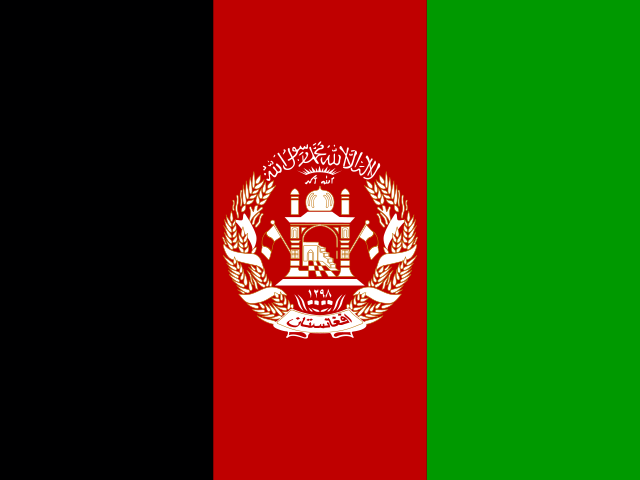 Afghanistan-2.166
Highest and lowest reading in Southern Asia.
- Eastern Africa
0.504
the middle country, of 19 measured · 19 members
 Mauritius2.136Eritrea-2.825
Highest and lowest reading in Eastern Africa.
- Western Asia
0.485
the middle country, of 17 measured · 19 members
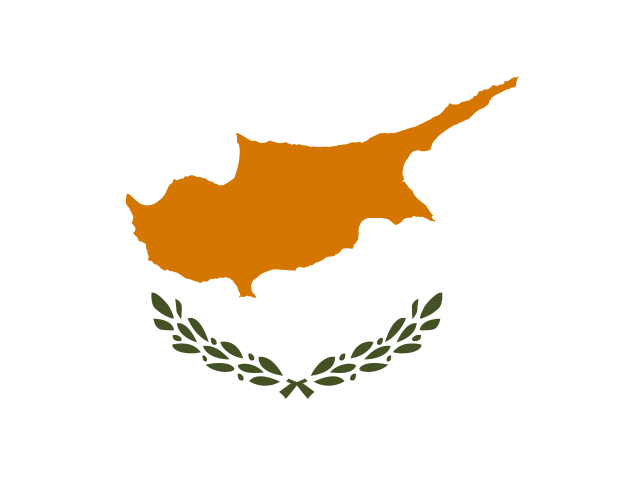 Cyprus1.894
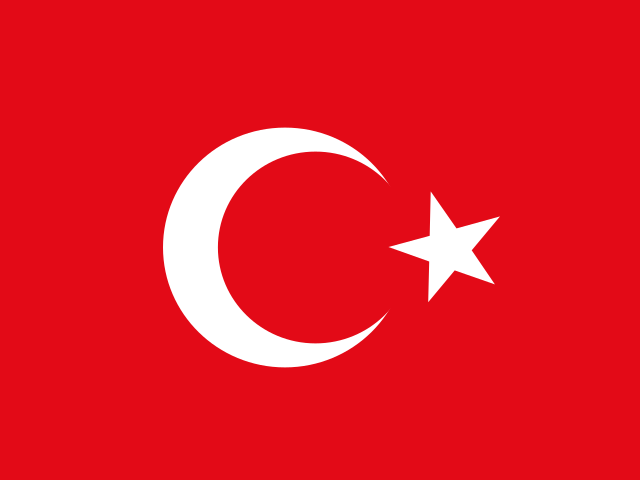 Türkiye-1.118
Highest and lowest reading in Western Asia.
- South-eastern Asia
0.130
the middle country, of 10 measured · 11 members
 Timor-Leste1.582
 Myanmar-1.386
Highest and lowest reading in South-eastern Asia.
- Middle Africa
-0.189
the middle country, of 9 measured · 9 members
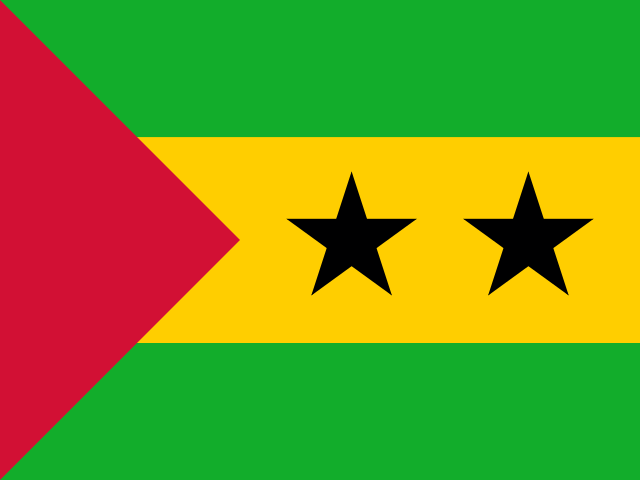 São Tomé and Príncipe2.154
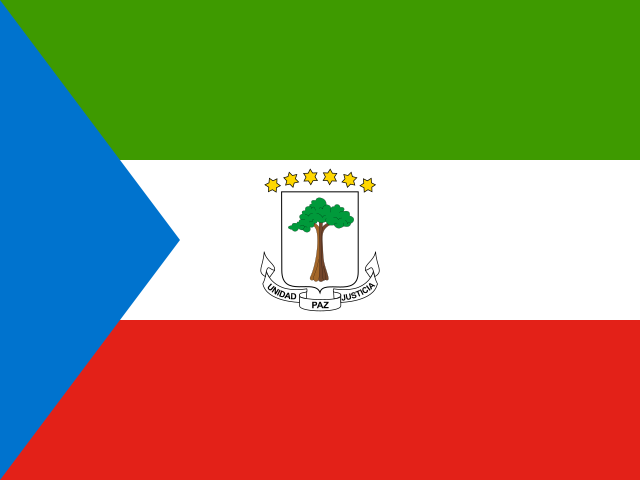 Equatorial Guinea-1.079
Highest and lowest reading in Middle Africa.
- Northern Africa
-0.200
the middle country, of 6 measured · 6 members
 Morocco1.337
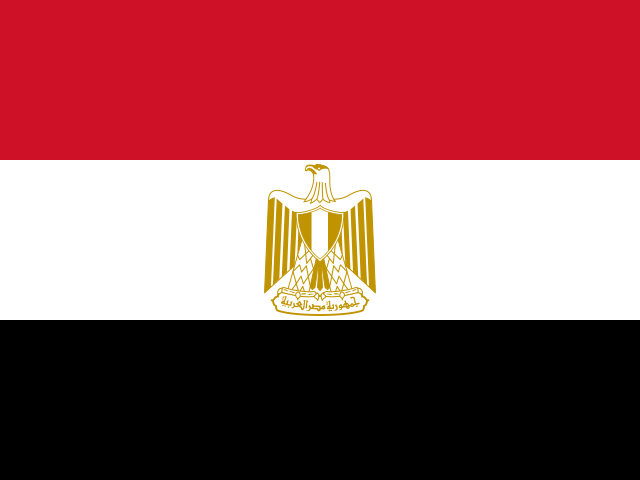 Egypt-1.306
Highest and lowest reading in Northern Africa.
- Central Asia
-0.311
the middle country, of 5 measured · 5 members
 Kazakhstan0.732
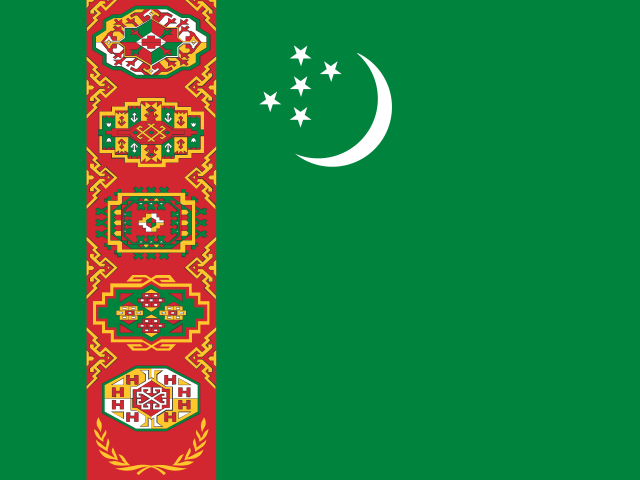 Turkmenistan-2.301
Highest and lowest reading in Central Asia.
- Australia and New Zealand
2 of 2 measured — too few for a middle: Australia, New Zealand.
New Zealand2.182 Australia1.910
Highest and lowest reading in Australia and New Zealand.
- Melanesia
4 of 5 measured — too few for a middle: Fiji, Papua New Guinea, Solomon Islands, Vanuatu.
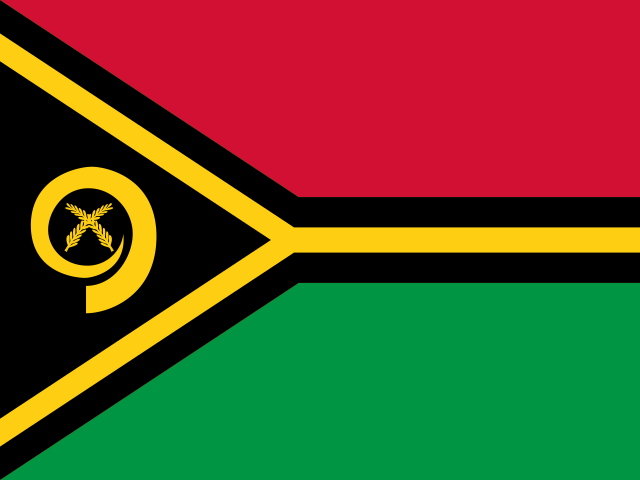 Vanuatu2.033Fiji1.330
Highest and lowest reading in Melanesia.
- Northern America
2 of 4 measured — too few for a middle: Canada, United States.
 Canada2.219
 United States1.594
Highest and lowest reading in Northern America.
03The whole field at once
The spread
176 countries, one dot each, on one scale — further right is a higher value. Half the countries are above 1.201; a quarter are above 1.996, and a quarter below 0.094. The bar in each row marks that continent’s middle country.
04All 176 ever measured
Every country
In order, highest value first. “=” marks a position shared with another country. V-Dem Institute, University of Gothenburg ranks nobody on this measure; the position is derived here by ordering the published values. Higher is better. This is the right to leave and return, set by a country's own government — it says nothing about how many other countries let its citizens in, which is what passport rankings measure. Movement within the country is a separate question.
Showing 25 of 176 countries








































































Values for 2025. The change column compares 2025 with 2024 only; the sparkline covers the recent editions.
051990–2025 · 36 reference years
Over time
Each point is one year from 1990, all of them re-estimated together in V-Dem's v16 release. The scale has no fixed ends, so read the movement and the gap to other countries rather than the number on its own.
- the middle country
- the middle half of countries
- the middle of the 168 countries measured every time
- each continent’s middle country
The same, year by year
| Year | Countries | Middle country | Middle half | Measured every time |
|---|---|---|---|---|
| 2025 | 176 | 1.201 | 0.094 – 1.996 | 1.158 |
| 2024 | 176 | 1.236 | 0.107 – 1.968 | 1.228 |
| 2023 | 176 | 1.255 | 0.151 – 1.996 | 1.236 |
| 2022 | 176 | 1.222 | 0.128 – 1.955 | 1.208 |
| 2021 | 176 | 1.098 | 0.316 – 1.624 | 1.080 |
| 2020 | 176 | 1.084 | 0.417 – 1.639 | 1.084 |
| 2019 | 176 | 1.379 | 0.627 – 2.008 | 1.375 |
| 2018 | 176 | 1.379 | 0.592 – 2.084 | 1.394 |
| 2017 | 176 | 1.440 | 0.649 – 2.122 | 1.440 |
| 2016 | 176 | 1.441 | 0.509 – 2.160 | 1.441 |
| 2015 | 176 | 1.435 | 0.692 – 2.152 | 1.435 |
| 2014 | 176 | 1.425 | 0.676 – 2.187 | 1.425 |
| 2013 | 176 | 1.424 | 0.715 – 2.160 | 1.424 |
| 2012 | 176 | 1.510 | 0.698 – 2.178 | 1.497 |
| 2011 | 176 | 1.519 | 0.770 – 2.178 | 1.510 |
| 2010 | 175 | 1.512 | 0.679 – 2.157 | 1.508 |
| 2009 | 175 | 1.508 | 0.676 – 2.169 | 1.465 |
| 2008 | 175 | 1.512 | 0.676 – 2.156 | 1.499 |
| 2007 | 175 | 1.508 | 0.609 – 2.156 | 1.484 |
| 2006 | 175 | 1.442 | 0.609 – 2.137 | 1.425 |
| 2005 | 175 | 1.422 | 0.589 – 2.137 | 1.413 |
| 2004 | 175 | 1.419 | 0.589 – 2.137 | 1.402 |
| 2003 | 175 | 1.406 | 0.550 – 2.098 | 1.397 |
| 2002 | 175 | 1.419 | 0.617 – 2.081 | 1.402 |
| 2001 | 175 | 1.398 | 0.613 – 2.081 | 1.330 |
| 2000 | 175 | 1.398 | 0.512 – 2.077 | 1.330 |
| 1999 | 175 | 1.274 | 0.382 – 2.042 | 1.273 |
| 1998 | 174 | 1.330 | 0.325 – 2.043 | 1.273 |
| 1997 | 173 | 1.274 | 0.319 – 2.041 | 1.269 |
| 1996 | 173 | 1.274 | 0.322 – 2.041 | 1.266 |
| 1995 | 173 | 1.247 | 0.273 – 2.041 | 1.255 |
| 1994 | 173 | 1.235 | 0.099 – 2.041 | 1.237 |
| 1993 | 173 | 1.217 | 0.079 – 2.041 | 1.228 |
| 1992 | 172 | 1.073 | 0.078 – 2.010 | 1.101 |
| 1991 | 171 | 1.042 | -0.072 – 1.946 | 1.049 |
| 1990 | 168 | 0.880 | -0.413 – 1.927 | 0.880 |
062024 → 2025
Who rose and fell
The biggest changes in value between the two newest editions — reference years recalculated in one report, not two separate publications. Places are shown second, because they also move when other countries do.
Improved most
before → after- Mauritius0.680 → 2.136 · 122nd → 37th+1.456
 Rwanda-1.579 → -0.502 · 170th → 151st+1.077
 Burundi-0.827 → 0.131 · 156th → 131st+0.958
 Central African Republic-1.173 → -0.410 · 167th → 147th+0.763
 Colombia1.626 → 2.276 · 67th → 21st+0.650
176 countries were measured in both 2024 and 2025.
07Across every edition
Freedom of foreign travel in records
The extremes of the statistic. A record reached by more than one country names none of them.
Highest reading on record
2.936
Original latent estimate (≈ −3.6 to +2.9); higher = freer movement
Lowest reading on record
-3.642
Original latent estimate (≈ −3.6 to +2.9); higher = freer movement
Biggest improvement between editions
+3.295
-1.899 → 1.396
Biggest decline between editions
−3.154
1.040 → -2.114
Most improved since first measured
+3.508
-1.343 → 2.165
At the top most often
32 of 36
editions, alone at the first-listed end
08The measure
About freedom of foreign travel
V-Dem's measure of freedom of foreign movement asks whether a country's own authorities let its citizens travel abroad, emigrate and come back freely. It is an expert-coded estimate on an open-ended scale centred near zero, and a higher figure means freer movement.
What the number is: Original latent estimate (≈ −3.6 to +2.9); higher = freer movement.
09Where it fits
Connections
Its part in the Country Index, the statistics whose values line up most closely with it across countries, and others on the same subject.
In the Country Index
Context, with no vote
This statistic is published in full under Democracy & Civil Liberties and Mobility & Trade, but does not help decide any Country Index standing.
Democracy & Civil LibertiesMobility & TradeWhich statistics vote, and why
Moves with
Where freedom of foreign travel is higher, these tend to be higher too.
- Liberal Democracy IndexV-Dem Institute, University of Gothenburg · 176 countries in commonρ 0.86
- Voice and AccountabilityWorld Bank Group · 175 countries in commonρ 0.86
- V-Dem Electoral Democracy IndexKeyV-Dem Institute, University of Gothenburg · 176 countries in commonρ 0.84
Moves against
Where freedom of foreign travel is higher, these tend to be lower.
- Neopatrimonial Rule IndexV-Dem Institute, University of Gothenburg · 176 countries in commonρ −0.79
- Political Corruption IndexV-Dem Institute, University of Gothenburg · 176 countries in commonρ −0.62
- Exclusion by Socio-Economic GroupV-Dem Institute, University of Gothenburg · 174 countries in commonρ −0.59
Rank correlation (ρ, from −1 to 1) across countries, on each statistic’s newest edition, out of 379 statistics sharing at least 80 countries with this one. Two statistics that move together do not cause each other.
10Keep reading
Explore further
The subject
The countries at either end
More from V-Dem Institute, University of Gothenburg
11Questions
Freedom of foreign travel: questions and answers
Which country has the highest freedom of foreign travel?
Germany, at 2.727, among the 176 countries compared in 2025.
Which country has the lowest freedom of foreign travel?
North Korea, at -3.642, among the 176 countries compared in 2025.
How many countries does the Freedom of Foreign Movement cover?
176 in 2025. The number measured varies from 168 to 176 between editions.
What is the world average freedom of foreign travel?
This site does not calculate a world average, which would depend on how countries are weighted. In the middle country of the 176 compared in 2025, the figure was 1.201.
Is this V-Dem Institute, University of Gothenburg’s own ranking?
No. V-Dem Institute, University of Gothenburg publishes the values but ranks nobody; the position on this page is derived by Nations Inquiry by ordering the published values, and equal values share a position.
How often is the Freedom of Foreign Movement published?
This site holds 36 reference years, 1990–2025, all recalculated in V-Dem Institute, University of Gothenburg’s 2026 report on one method — not 36 separate publications.
Where does the data come from, and can I download it?
From V-Dem Institute, University of Gothenburg, under CC BY-SA 4.0. From the V-Dem Institute's Country-Year Core dataset (v16), University of Gothenburg, published under CC BY-SA 4.0. V-Dem's data runs back to 1789; the series here starts in 1990 so that every row belongs to a present-day country. Stored as the measurement model's original estimate, not V-Dem's 0–4 rescaling. Every edition is on this site’s Datasets pages as a full table, and downloads as a CSV file with every value unrounded.
12Method
Sources, method and citation
Source
Freedom of Foreign Movement — V-Dem Institute, University of Gothenburg
From the V-Dem Institute's Country-Year Core dataset (v16), University of Gothenburg, published under CC BY-SA 4.0. V-Dem's data runs back to 1789; the series here starts in 1990 so that every row belongs to a present-day country. Stored as the measurement model's original estimate, not V-Dem's 0–4 rescaling.
Newest edition
Report year 2025Data year 2025
Cite the source as: Coppedge, M. et al. V-Dem Country-Year Dataset v16. Varieties of Democracy (V-Dem) Project, University of Gothenburg.
Licence: CC BY-SA 4.0, checked 2026-09-29.
How this page reads the numbers
- V-Dem Institute, University of Gothenburg ranks nobody on this measure. The position is derived by Nations Inquiry by ordering the published values; equal values share a position.
- Which end is better follows the publisher’s own reading of the measure.
- A country is named at an end only when it holds that value alone. Where several share it, the page says how many and names none first.
- Values are stored exactly as published and trimmed only for display. “The middle country” is the median of the countries measured, not a world average.
The file itself, column by column — where it came from, what each column holds, and every edition as a CSV — is on its dataset page.
Photographs
The countries at the top of this statistic, from their profiles: Wikimedia Commons, shown in greyscale, each used under the licence named.
- Germany — dronepicr, CC BY 2.0
- Czechia — john mcsporran from Trossachs, Scotland, CC BY 2.0
- Cabo Verde — Ximonic , Simo Räsänen derivative work: Jjtkk, CC BY-SA 3.0
Cite this page
Nations Inquiry (2026). Freedom of foreign travel by country: Freedom of Foreign Movement, data from V-Dem Institute, University of Gothenburg. https://nationsinquiry.com/statistics/freedom-of-foreign-movement